
Homeowner Plumbing Toolkit: Conquer Clogs and Leaks

Updated: 2 days ago
A leaky faucet, clogged drain, or loose plumbing connection can quickly turn an ordinary day into a stressful one. While some plumbing problems require professional attention, many minor issues can be handled with the right tools and a little know-how.
A well-prepared homeowner plumbing toolkit can help you handle simple plumbing repairs, reduce the risk of water damage, and avoid unnecessary trips to the hardware store when something goes wrong.
Having basic plumbing tools on hand also makes it easier to respond quickly while waiting for a professional plumber if the problem is more serious.

Whether you're dealing with a slow drain, a dripping faucet, or a loose fixture, knowing which tools to use can make basic home maintenance much easier. However, it's just as important to know when a DIY repair has reached its limits.
At Admiral Plumbing, our professional plumbers use specialized equipment to diagnose and repair complex plumbing problems. Understanding the basics can help you handle minor issues safely and know when it's time to search for professional plumbers near me.
Essential Tools for Your Homeowner Plumbing Toolkit
You don't need a truck full of specialized equipment to handle common plumbing problems. A practical collection of basic plumbing tools can prepare you for many minor repairs and maintenance tasks.
1. Plunger
A plunger is one of the most important tools to keep at home, especially if you frequently deal with a clogged drain or toilet blockage.
There are two common types:
Cup plunger: Designed primarily for sinks, bathtubs, and other flat drains.
Flange plunger: Designed specifically for toilets because its extended flange creates a better seal around the drain opening.
When using a plunger, make sure there is enough water around the cup to create a proper seal. Use firm, controlled movements rather than excessive force. If the blockage doesn't clear after several attempts, the problem may be farther down the drain line.
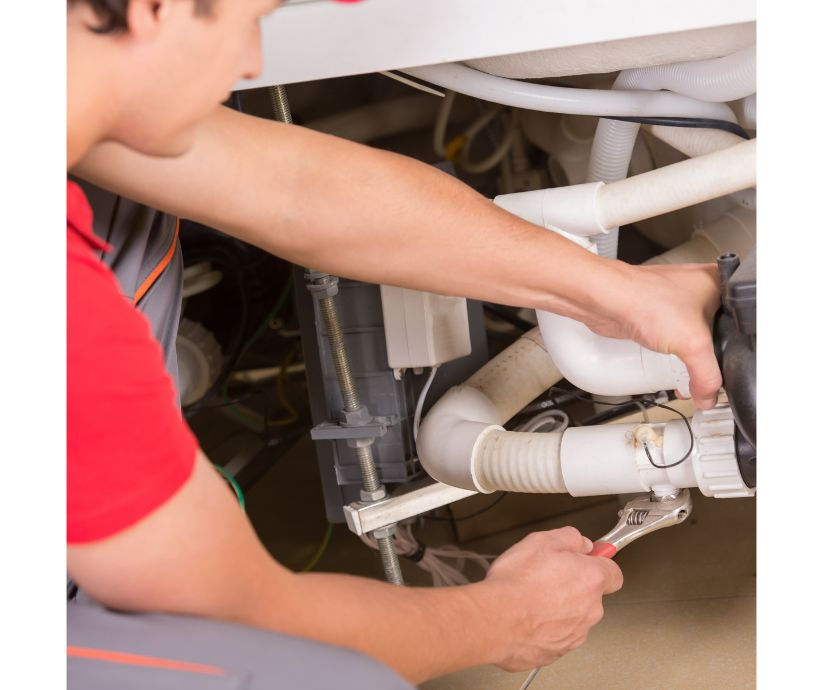
2. Adjustable Wrench
An adjustable wrench is a versatile tool for tightening and loosening plumbing nuts and connections. It can be useful when replacing fixtures, tightening a loose connection, or working on a faucet.
Because the jaw can be adjusted to different sizes, one wrench can handle several types of plumbing hardware.
When using it, avoid overtightening connections. Applying too much force can damage the nut, fixture, or plumbing connection and potentially create another problem.
3. Basin Wrench
Working underneath a sink can be difficult because there isn't much room to maneuver. That's where a basin wrench becomes especially useful.
Its long handle and specially designed head allow you to reach nuts located behind faucets and other fixtures. A basin wrench is particularly helpful for:
Installing or replacing faucets
Tightening faucet connections
Removing old faucet hardware
Working in narrow spaces underneath sinks
If you're planning to replace a kitchen or bathroom faucet yourself, this is one plumbing tool worth having.
4. Pliers
Pliers provide a strong grip for holding, turning, and maneuvering plumbing components.
Two useful types are:
Needle-nose pliers: Ideal for retrieving small objects and working in narrow spaces.
Channel-lock pliers: Useful for gripping larger nuts, pipes, and fittings.
Avoid using pliers as a substitute for every type of wrench. Using the wrong tool can damage the finish on plumbing fixtures or round off the edges of nuts.
5. Flat-Head and Phillips-Head Screwdrivers
Many plumbing fixtures contain screws, making both flat-head and Phillips-head screwdrivers useful additions to your toolbox.
They can help with tasks such as:
Removing faucet handles
Adjusting fixture components
Opening toilet tank components
Removing drain covers
Tightening screws on plumbing hardware
Having both types available means you won't have to improvise when a simple plumbing repair requires a particular screw head.
6. Flashlight
Plumbing problems often occur in places where natural or room lighting doesn't reach. The space underneath a kitchen sink, behind a toilet, or around a water heater can be especially difficult to inspect.
A bright flashlight allows you to identify dripping water, loose connections, corrosion, or standing water more easily.
For emergencies, consider keeping a small flashlight in an easily accessible location rather than buried in a toolbox.
7. Bucket
A bucket is surprisingly useful during plumbing repairs. It can catch water when disconnecting a pipe, faucet, or trap and help prevent water from spreading across your floor.
You can also use it to collect water when cleaning a drain or working on a plumbing fixture. Keeping an old bucket specifically for plumbing work can save you from damaging a good household container.
8. Teflon Tape
Teflon tape, commonly called plumber's tape or PTFE tape, is designed to help create a watertight seal on compatible threaded pipe connections.
It can be useful when installing or reconnecting certain plumbing fixtures. However, it should only be applied to threaded connections where it is appropriate. It isn't a universal solution for leaks. If a pipe is cracked or a fitting is damaged, wrapping it with tape won't provide a permanent repair.
Other Useful Plumbing Supplies to Keep on Hand
Beyond the basic tools, a few inexpensive supplies can make emergency plumbing situations easier to manage.
Consider Adding These Items
Replacement faucet washers or O-rings
Spare supply line connectors
Plumbing gloves
A small pipe brush
Plumber's putty
Adjustable pipe wrench
Drain snake or hand auger
Replacement toilet flapper
Towels or absorbent rags
A water shut-off tag or label
You don't necessarily need every item immediately. Build your homeowner plumbing toolkit gradually based on the plumbing fixtures and systems in your house.
Beyond the Basics: Admiral Plumbing's Advanced Equipment
Basic plumbing tools are useful for minor repairs, but some problems can't be diagnosed or resolved with equipment found in a typical household toolbox. That's where professional plumbing equipment becomes important.
At Admiral Plumbing, our technicians use specialized tools to investigate difficult plumbing problems and determine the most appropriate repair.
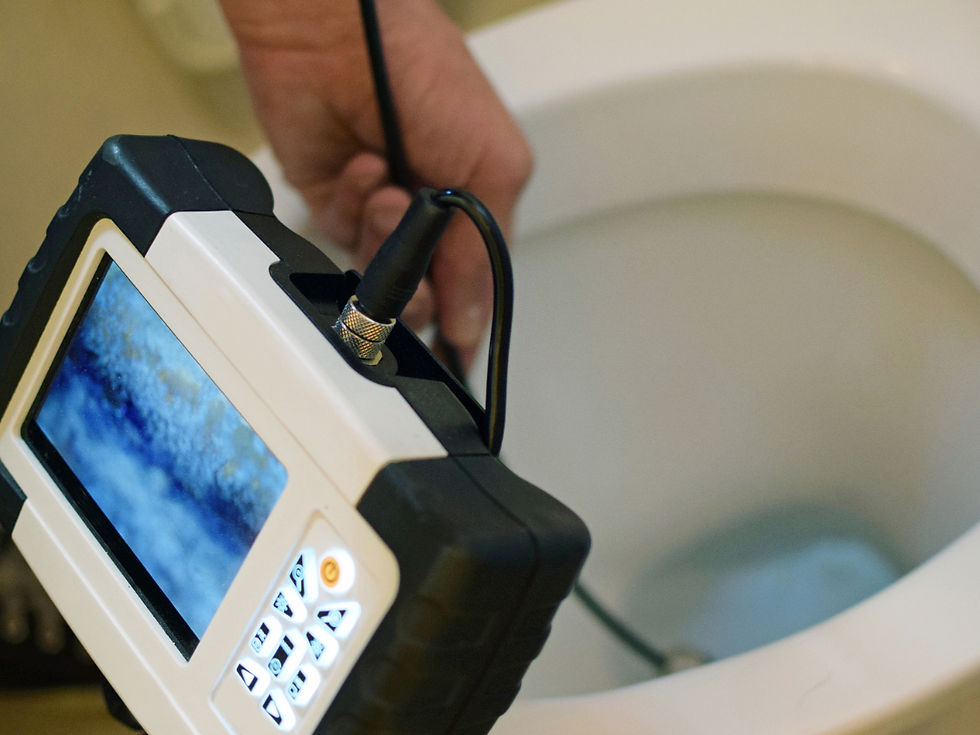
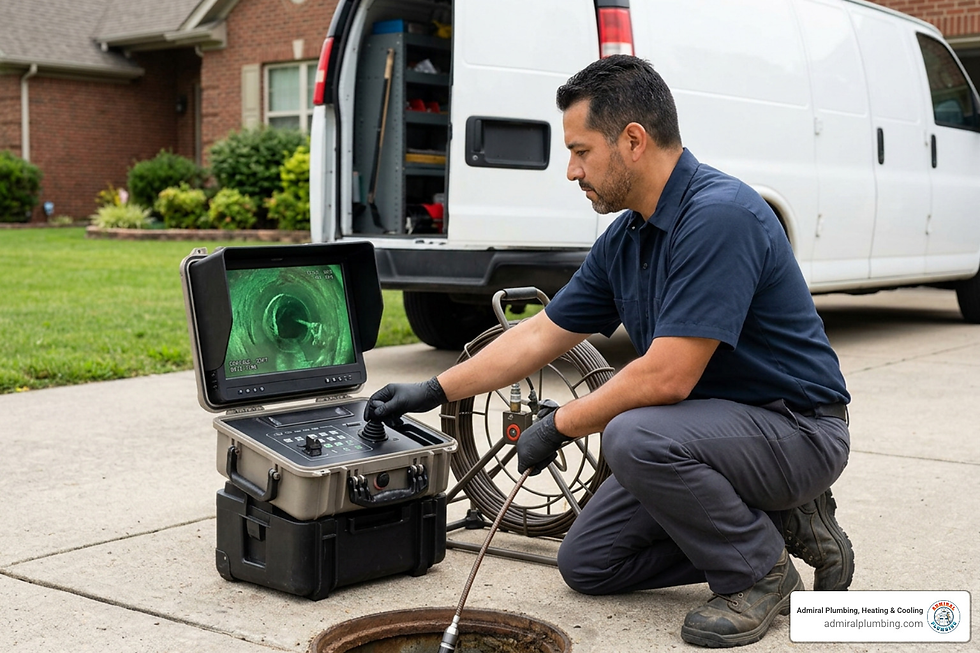
Video Inspection Cameras
A sewer or drain problem isn't always visible from the outside. A video inspection camera allows plumbers to look inside pipes and identify problems without immediately opening walls, floors, or other areas of your home.
Camera inspections can help identify:
Pipe blockages
Cracked or damaged pipes
Tree root intrusion
Corrosion
Pipe deterioration
Misaligned sections
Other sewer line problems
A sewer camera inspection can be particularly valuable when a drain repeatedly backs up and traditional drain cleaning hasn't solved the problem.
Hydro Jetting Equipment
Some blockages are caused by years of grease, sludge, mineral deposits, and other buildup inside the plumbing system.
Hydro jetting uses highly pressurized water to clean the interior of suitable pipes and remove stubborn buildup. It can be an effective solution for certain recurring drain and sewer problems.
However, hydro jetting isn't appropriate for every plumbing system or damaged pipe. A professional should evaluate the condition of the plumbing before recommending this service.
Electronic Leak Detection Equipment
Not every water leak is easy to see.
A hidden leak behind a wall, underneath a floor, or inside another concealed area can continue causing damage before you realize there's a problem. Professional water leak detection equipment can help plumbers locate certain hidden leaks without unnecessary damage to your property.
Early detection can help prevent larger issues such as:
Water damage
Mold growth
Damaged flooring
Deteriorating walls
Higher water bills
Structural damage
Sewer Line Augers
A sewer line auger uses a rotating cable to break through or remove certain blockages inside drain and sewer lines.
These machines are significantly more powerful than a basic hand drain snake and can be useful when a blockage is located deeper within the plumbing system.
If a sewer line repeatedly backs up, however, simply clearing the blockage may not address the underlying cause. A professional inspection may be necessary to determine whether the pipe itself is damaged or deteriorated.
When Should You Call a Professional Plumber?
A DIY approach can be appropriate for simple plumbing maintenance and minor problems, but not every issue should be handled without professional assistance.
Knowing when to stop can prevent a small problem from becoming an expensive repair.
Persistent Clogged Drains
If the same sink, shower, or toilet keeps clogging after you've attempted to clear it, there may be a deeper problem in the plumbing system.
Recurring clogs can be associated with buildup, damaged pipes, tree roots, or other obstructions. Professional drain cleaning and inspection can help determine what's actually causing the problem.
Significant or Hidden Leaks
A small visible drip from a faucet may be manageable, but water leaking from a wall, ceiling, floor, or pipe connection deserves immediate attention.
If you cannot identify where the water is coming from, shut off the appropriate water supply if it is safe to do so and contact a professional.
Low Water Pressure
Low water pressure can make showers, faucets, and other fixtures frustrating to use. The cause may be something relatively simple, such as a clogged fixture aerator, but it can also indicate a more significant plumbing problem.
A professional plumber can evaluate the system and determine whether the issue involves a fixture, supply line, pressure regulator, or another component.
Water Heater Problems
Water heaters involve water, electricity or gas, and specialized components. Problems such as leaking tanks, inconsistent hot water, unusual noises, or a complete loss of hot water may require professional water heater repair.
Avoid attempting repairs involving gas lines or electrical components unless you have the appropriate qualifications.
Sewer Line Problems
A sewage backup is more than an inconvenience. It can create sanitation concerns and potentially cause extensive property damage.
Warning signs of a sewer problem can include:
Multiple drains backing up simultaneously
Sewage odors
Gurgling toilets or drains
Slow drainage throughout the house
Sewage coming back through fixtures
Repeated sewer backups
These situations are better handled by a qualified plumbing professional with the appropriate equipment.
Prevent Plumbing Problems With Regular Maintenance
A good plumbing system isn't just about fixing problems after they happen. Regular maintenance can help identify potential issues before they become major emergencies.
Schedule Professional Drain Cleaning
If your plumbing system experiences recurring buildup or slow drainage, professional drain cleaning may help maintain proper flow and reduce the chance of severe blockages.
Avoid relying on harsh chemical drain cleaners as a routine solution. Some chemicals can damage certain plumbing components and may not address the underlying cause of recurring clogs.
Check for Leaks Regularly
Make leak checks part of your normal home maintenance routine. Look underneath sinks, around toilets, near appliances, and around visible pipe connections.
Pay attention to unexplained increases in your water bill as well. A sudden change in water usage can sometimes indicate a hidden leak.
Inspect Plumbing Fixtures
Faucets, showerheads, toilets, and other fixtures can deteriorate over time.
Check for:
Dripping faucets
Loose handles
Running toilets
Corrosion
Slow drainage
Water stains
Damaged seals
Addressing these warning signs early can help prevent more extensive plumbing repairs.

The Admiral Plumbing Advantage: Expertise Meets Innovation
Having the right tools is helpful, but tools alone don't replace professional knowledge and experience.
At Admiral Plumbing, our plumbers combine practical experience with specialized equipment to diagnose plumbing problems and determine the appropriate solution.
Professional service can be especially valuable when the problem involves hidden pipes, sewer lines, water heaters, or recurring drainage issues.
Instead of repeatedly treating the symptoms, a professional inspection can help identify the underlying cause and determine what repair or maintenance is appropriate.
Build Your Toolkit, Know Your Limits
A well-equipped homeowner plumbing toolkit can give you confidence when dealing with minor plumbing problems around your home. A plunger can handle certain clogs, an adjustable wrench can help with basic fixture repairs, and a flashlight and bucket can make unexpected leaks easier to manage.
However, having plumbing tools doesn't mean every problem should become a DIY project. Persistent clogs, hidden leaks, sewer backups, water heater problems, low water pressure, and other complex issues can require specialized equipment and professional expertise.
The key is knowing the difference between a simple repair you can safely handle and a plumbing problem that needs professional attention.
Get Professional Plumbing Help From Admiral Plumbing
Don't wait for a minor plumbing issue to become a major emergency. Keep essential plumbing tools available, learn where your home's water shut-off valves are located, and pay attention to early warning signs.
When a problem goes beyond basic DIY repairs, Admiral Plumbing is ready to help.
Our professional plumbers can assist with drain cleaning, leak detection, sewer services, water heater problems, plumbing repairs, and other residential plumbing needs. With professional equipment and experienced technicians, we can help diagnose the issue and determine the appropriate solution.
If you're searching for professional plumbers near me, contact Admiral Plumbing today. We're available 24/7 to answer your questions and provide the plumbing assistance you need.
A reliable plumbing system plays an important role in keeping your home comfortable and functional. With basic preparation, regular maintenance, and professional help when necessary, you can keep your water flowing and your drains working properly.

Comments