
The Best Sewer Drain Jetter Kits to Blast Away Stubborn Blockages

The Best Sewer Drain Jet Cleaning Kits to Blast Away Stubborn Blockages
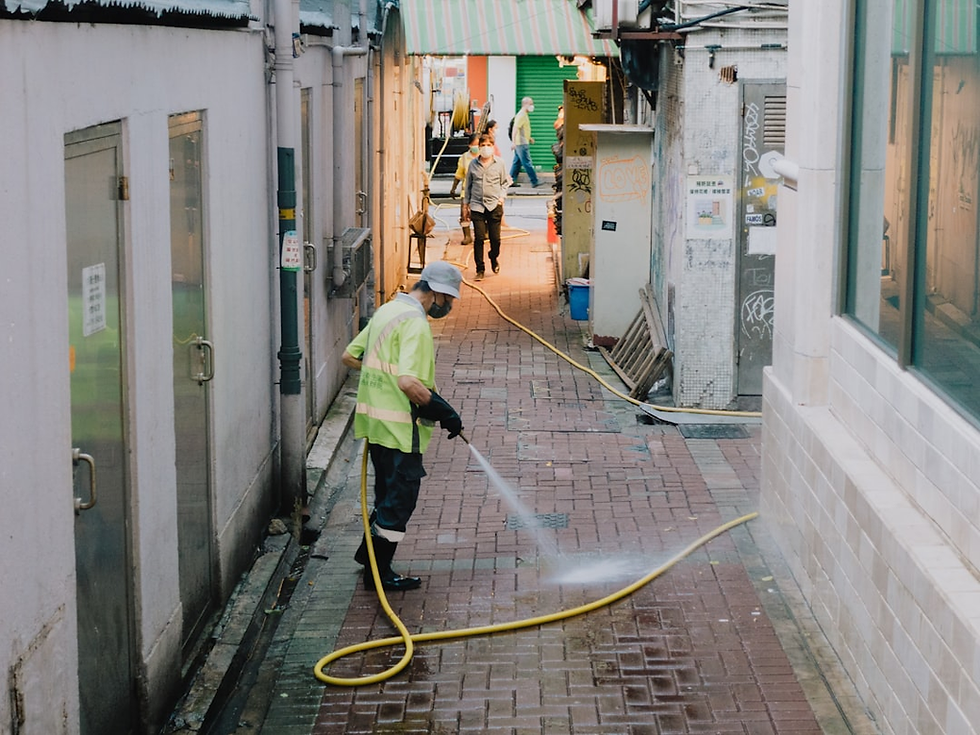
If you're looking for the best sewer drain jet cleaning equipment, here's a quick overview of your top options:
Kit / Tool | Best For | PSI Rating | Pipe Size |
West Bay Sewer Jetter Kit | DIY pressure washer users | Up to 5,800 PSI | Residential lines |
Clog Hog 100 ft Needle Nose | Gas pressure washer DIY | Up to 4,000 PSI | 1.5" ID and up |
RIDGID KJ-1750 Water Jetter | Professional residential use | 1,750 PSI | 1.25" to 4" |
ENZ Rotodrill 1/2" Nozzle | Heavy scale, 2"–6" pipes | 2,300–4,000 PSI | 2" to 6" |
ENZ HRH Rotating Nozzle | Hardened grease and scale | 2,300–4,000 PSI | 4" to 8" |
A slow drain is annoying. A completely blocked sewer line is a crisis.
If you've tried a plunger or a basic snake and the problem keeps coming back, the clog isn't really gone — it's just been poked through. Grease, mineral scale, and root intrusions cling to your pipe walls and rebuild fast.
That's exactly where sewer drain jet cleaning equipment earns its keep. High-pressure water — typically between 1,200 and 3,500 PSI — doesn't just punch a hole through a clog. It scours the entire inner pipe wall clean, often restoring near-original flow capacity for 2 to 3 years before buildup returns.
Whether you're a homeowner looking for a pressure washer attachment kit or a professional plumber comparing commercial-grade nozzles, this guide covers the best tools available right now.
I'm Adam Wettach, owner of Admiral Plumbing, and I've cleared hundreds of blocked residential and commercial sewer lines using hydro-jetting equipment — so I know which sewer drain jet cleaning tools deliver real results and which ones fall short. Let's break down the best options so you can make a confident choice.

Understanding Sewer Drain Jet Cleaning: How Hydro-Jetting Works
At its core, sewer drain jet cleaning (often referred to simply as hydro-jetting) is a non-invasive, chemical-free method that uses highly pressurized water streams to scour the inner walls of drainage pipes. While a standard garden hose delivers about 40 to 60 PSI, hydro-jetting systems pump water at dynamic operating pressures ranging anywhere from 1,200 to 3,500 PSI for standard residential lines, and up to 4,000 PSI or higher for commercial setups.
The process relies on a specialized jetter nozzle attached to a tough, high-pressure hose. The hose is fed directly into a sewer cleanout or access port. The magic happens at the nozzle head: rear-facing water jets blast backward at sharp angles. This rearward discharge creates equal and opposite force—thrust—that self-propels the jetter hose forward down the pipeline without requiring manual pushing or cranking.
As the hose advances, forward-facing or spinning jets cut through impacted obstructions like thick kitchen grease, mineral scale calcification, and fibrous tree root bundles. Once the hose reaches the desired length or breaks open the primary blockage, the technician slowly pulls the hose back out. This retrieval pass acts as a power wash for the pipe walls, emulsifying clinging sludge and flushing all dislodged debris downhill toward the municipal sewer main.

Essential Equipment for Sewer Drain Jet Cleaning
Executing a successful high-pressure sewer flush requires a synchronized setup of heavy-duty components:
High-Pressure Pump Unit: The heart of the system. This can be a portable electric pulse jetter, a gas-powered rig, or a large trailer-mounted jetting trailer. Portable commercial units like the KJ-1750 Water Jetter | RIDGID Tools feature a 2.0 HP motor delivering an actual working pressure of 1,750 PSI at 1.4 GPM (5.3 L/min). It requires a dedicated 20 Amp, 115V electrical circuit and utilizes a built-in pulse feature to help the hose negotiate tight pipe bends and traps in lines ranging from 1 1/4" to 4" in diameter.
Specialized High-Pressure Jet Hoses: Ordinary pressure washer hoses won't work inside sewer lines. Jetter hoses are specially engineered with smooth thermoplastic polyurethane covers over braided polyester textile reinforcement. This construction makes them slick enough to slide past friction points, abrasion-resistant against rough cast iron, and lightweight enough to self-propel.
Engineered Nozzle Attachments: Nozzles determine how water pressure is distributed. Penetrating nozzles sport forward-pointing streams to punch through solid blockages; propulsion nozzles focus energy entirely on thrust to traverse long distances; button nose nozzles offer a compact profile for tight radius elbows; and rotating nozzles provide 360-degree wall scouring.
Key Benefits of Sewer Drain Jet Cleaning vs Traditional Snaking
For decades, standard mechanical drain snaking (or cabling) was the default response for clogged lines. While snaking still has its place, hydro-jetting is superior in almost every measurable way when dealing with systemic buildup:
Complete Wall-to-Wall Scouring: A mechanical drain cable rotates a steel head through the pipe. When it hits a soft grease plug or thick hair mass, it drills a narrow hole roughly the diameter of the blade, leaving 70% to 80% of the buildup stuck to the pipe walls. Sewer drain jet cleaning emulsifies organic sludge and washes the pipe completely clean.
Long-Term Clearance: Because snaking leaves residual debris behind, clogs usually form again within weeks or months. High-pressure jetting restores pipes to near-original flow capacity, providing 2 to 3 years of clear drains under normal household usage.
Eco-Friendly and Safe: Hydro-jetting uses pure water. There are no harsh caustic chemicals introduced into your plumbing system, keeping sewer infrastructure intact and protecting regional groundwater.
Versatility Against Tough Debris: Pressurized water doesn't just push soft waste—it shears through invasive tree root fibers, blasts away hard water mineral scale, and clears heavy sand, silt, or gravel washed into yard landscape drains.
Top Jetter Nozzles and Tools to Clear Blocked Drain Lines
Choosing the right equipment comes down to the size of the line, the available flow rate (GPM), working pressure (PSI), and the specific type of obstruction you're battling.

Below is a direct specification comparison of the leading nozzles and tools used in professional and DIY drain jetting applications:
Nozzle / Equipment | Primary Purpose | Flow Rate (GPM) | Pressure Range (PSI) | Pipe Compatibility | Key Feature |
West Bay Jetter Kit | DIY residential maintenance | 2.0 – 4.0 GPM | Up to 5,800 PSI | 1.5" to 4" | Includes 100 ft hose, button nose, corner, and rotating nozzles |
Clog Hog Needle Nose | DIY residential/light commercial | 2.0 – 2.9 GPM | Up to 4,000 PSI | 1.5" ID and up | Highly flexible 0.38" OD hose designed for tight turns |
RIDGID KJ-1750 | Light commercial / residential | 1.4 GPM | 1,750 PSI | 1.25" to 4" | Dual-stage pulse action; 2.0 HP motor for line traps |
ENZ Rotodrill 1/2" | Wall scouring & scale removal | 8 – 32 GPM | 2,300 – 4,000 PSI | 2" to 6" | 6 rear jets (15°), 1 rotating front jet (7°), hardened steel |
ENZ HRH Rotating 1/2" | Aggressive grease & hard scale | 10 – 32 GPM | 2,300 – 4,000 PSI | 4" to 8" | High-speed ceramic jets set at 45° rear angles |
Rondo 1" Nozzle | Large line flushing & scouring | 55 – 90 GPM | 2,000 – 3,000 PSI | 6" to 12"+ | Non-rotating 360° umbrella pattern; low maintenance |
Rotomax Rotational 1/2" | Multi-purpose penetrating & cleaning | 8 – 32 GPM | 2,300 – 4,000 PSI | 3" to 8" | 6 rear propulsion jets, 3 spinner jets, 1 forward jet |
Rotating and Rotojet Jetter Nozzles for Heavy Scale
When pipeline interiors become encrusted with heavy scale, calcified hard water deposits, or grease, standard fixed jets might only make a small dent. That is where rotating rotojet nozzles prove essential.
The ENZ Rotodrill 1/2" | Rotating Jet Nozzle for Sewer Cleaning – Range Supply is engineered for pipes ranging from 2" to 6" in diameter. Operating across a wide spectrum from 2,300 to 4,000 PSI and flow rates between 8 and 32 GPM, this nozzle features six rear propulsion jets angled at 15° to drive the head forward, alongside a front rotating jet angled at 7° that strips grease and scale cleanly off the inner walls. Crafted from wear-resistant hardened steel, it can even handle recycled water systems without premature deterioration.
For larger lines encrusted with aged mineral scale, the ENZ HRH Rotating Nozzle 1/2" | High-Speed Rotojet Nozzle — Sewershop is built specifically for 4" to 8" pipelines. This tool utilizes four 45° rear-facing ceramic jet inserts. Ceramic offers significantly higher wear resistance than standard stainless steel under extreme water velocity. Spinning at elevated RPMs, the high-speed rotating head delivers exceptional surface impact, tearing through hardened grease banks and heavy scale that would stop lesser tools in their tracks.
High-Coverage and Multi-Jet Propulsion Nozzles
For long sewer runs and municipal-grade mainlines, nozzle propulsion thrust and complete 360-degree spray patterns become top priorities.
The Rondo Sewer Jetter Nozzle | Available at Range Supply.com represents non-rotating umbrella spray nozzle design. Built for high-volume jetting rigs delivering 55 to 90 GPM at 2,000 to 3,000 PSI, this 1" connection nozzle creates a solid 360-degree umbrella water curtain. Because it has no internal moving parts or bearings to wear out, it offers virtually maintenance-free performance while driving hoses through runs up to 1,000 feet long.
If you need penetration, wall cleaning, and propulsion in a single pass, multi-action nozzles like the Rotomax Rotational Sewer Jetter Nozzle | SewerShop — Sewershop deliver a three-way attack vector. It combines six rear-facing propulsion jets that thrust the tool forward and flush out debris, three central rotational spinner jets that scrub pipe circumference, and a concentrated forward jet to puncture solid blockages ahead of the assembly.
Pipe Compatibility, Safety Precautions, and Environmental Factors
High-pressure water is an incredible cleaning tool, but handled improperly or applied to the wrong pipe material, it can cause severe structural damage or personal injury.

Before launching a high-pressure nozzle down any drain, technicians must verify the composition and condition of the piping system:
PVC and ABS Plastics: Modern plastic sewer pipes excel under hydro-jetting. Smooth inner walls tolerate high PSI levels (up to 4,000 PSI) with zero degradation.
Cast Iron: Common in homes built before the 1980s. Cast iron is durable but highly susceptible to interior tuberculation and rust scaling. Jetting at 2,500 to 3,500 PSI effectively strips away scale, but pressure must be monitored to ensure thin, rusted pipe bottoms aren't compromised.
Clay and Concrete Pipes: Traditional clay tiles withstand high pressure well, but joint connections can loosen over time. High-thrust propulsion jets can dislodge compromised mortar or offset joints if operator pressure isn't tuned carefully.
Orangeburg Pipe: Manufactured between 1945 and 1972, Orangeburg pipe was made from bituminized fiber (tar paper and wood pulp). Over time, these lines deform into oval shapes, bubble, and collapse under ground weight. Hydro-jetting should never be used on Orangeburg pipes, as high pressure will shred the soft fiber walls, causing immediate line failure.
Pre-Jetting Sewer Camera Inspections
Because pipe conditions underground are invisible from the surface, performing a professional video camera inspection is mandatory prior to high-pressure sewer drain jet cleaning.
A sewer camera scope reveals pre-existing structural cracks, offset joints, low spots (bellies), and collapsed sections. If tree roots have invaded a line through a major fracture, feeding a high-pressure jetter hose without inspecting first carries a serious risk: the hose nozzle can exit the pipe through the crack, entering the surrounding soil. The nozzle can then get wedged under rocks or root masses outdoors, resulting in a trapped hose that requires expensive excavation to retrieve.
Regional Factors and Maintenance Schedules
Where you live heavily influences how frequently your sewer system requires cleaning. Here in Northern Utah—around Provo and surrounding communities—our water supply carries mineral content that forms hard scale inside household drains over time. This mineral crust creates a rough surface inside the pipe that snags hair, soap scum, and organic waste, drastically speeding up clog formation.
Furthermore, severe winter freezing cycles and heavy seasonal runoff place extra stress on underground mainlines. When cold snaps hit, grease deposits solidify much faster inside main sewer lines.
For optimal system health, we recommend homeowners follow a proactive hydro-jetting maintenance schedule every 18 to 24 months. Scheduling preventive jetting in early autumn before freezing ground temperatures lock in ensures your main sewer line remains wide open and ready for winter waste loads.
DIY Pressure Washer Sewer Kits vs Professional Services
With consumer pressure washer sewer jetter attachments readily available online, many handy homeowners wonder if they can tackle main drain blockages as a DIY project.
Commercial DIY kits—such as the popular West Bay Sewer Jetter Kit (rated for up to 5,800 PSI with a 100 ft hose, holding a 4.4 out of 5-star average across 3,000+ reviews) or the Clog Hog 100 ft Needle Nose Drain Cleaner (rated for up to 4,000 PSI at 2.0 to 2.9 GPM)—offer great utility for light maintenance. They are fantastic tools for clearing grease traps in kitchen sinks, flushing sand out of outdoor patio drains, or washing out corrugated plastic downspouts.
However, DIY attachments have distinct operational limits compared to commercial-grade hydro-jetting setups:
GPM (Gallons Per Minute) vs. PSI: Homeowners often focus entirely on PSI, but GPM is what actually flushes debris out of a pipe. A consumer gas pressure washer delivers 2.0 to 2.5 GPM, which provides decent localized cutting power but lacks the volumetric water force needed to flush heavy sludge, gravel, or massive root masses out of a 4-inch main sewer line. Commercial jetting rigs operate at 8 to 20+ GPM, washing bulk debris completely out to the city main.
Safety Risks: High-pressure water streams can cause severe tissue lacerations instantly. Operating a flexible hose inside a pipe requires chemical-resistant protective gear, eye protection, and heavy-duty protective gloves. If a jetter hose is pulled out of the drain opening while the pressure trigger is engaged, the exposed nozzle can whip violently around, causing serious injury.
Nozzle Memory and Tangling: High-pressure jetting hoses retain coil memory from storage. Feeding a coiled hose into a large sewer pipe without proper wrist-rotation techniques can cause the hose to double back on itself inside the pipe, tying itself into a knot that binds the equipment underground.
No Additive Rule: DIYers should never feed chemical drain openers or soaps directly into the water supply of a pressure washer jetter setup. Chemical additives can degrade pump seals, create dangerous splash-back vapors, and cause pressure pumps to overheat.
Frequently Asked Questions About Sewer Drain Jetting
Can hydro-jetting damage older or fragile sewer pipes?
When performed properly after a video camera inspection, hydro-jetting is safe for sound pipe materials, including modern PVC, standard ABS, and structurally solid cast iron or clay. However, if a pipe is severely cracked, fully corroded along the bottom, or constructed from fragile bituminized fiber like Orangeburg (installed between 1945 and 1972), high-pressure water jetting can break through weak spots.
That is why a professional sewer camera inspection should always precede jetting. Plumbers adjust the operating water pressure (typically setting it between 1,200 and 2,500 PSI for older lines) to match the age and structural condition of the pipe.
How often should home main sewer lines be hydro-jetted?
For standard single-family residential homes, scheduling proactive hydro-jetting every 18 to 24 months is ideal for preventing unexpected main line backups.
If your property has a history of aggressive tree root intrusion, heavy hard water mineral scale, or if you run a commercial kitchen with high grease output, annual cleaning may be recommended. Regular maintenance keeps pipe walls scoured smooth, preventing small accumulations from turning into midnight plumbing emergencies.
How much does hydro-jetting cost compared to repeat snaking?
A standard mechanical drain snaking service call typically costs less upfront than a full hydro-jetting service. However, because a snake blade only cuts a small path through thick blockages without scrubbing the pipe walls, clogs frequently return within 3 to 6 months. Paying for two or three snaking calls over a two-year period quickly exceeds the cost of a single hydro-jetting treatment.
Hydro-jetting restores full wall-to-wall pipe capacity and typically keeps drains running freely for 2 to 3 years. When evaluated over time, hydro-jetting provides significantly higher long-term value, saving homeowners hundreds of dollars in repeat service calls and emergency cleanup expenses.
Conclusion
When stubborn blockages threaten your home's plumbing, pokes and temporary fixes simply won't cut it. Investing in proper sewer drain jet cleaning equipment—or hiring a qualified professional team to jet your lines—eliminates grease, scale, and root intrusions at the root cause, restoring your drains to near-original capacity.
If you're a Northern Utah homeowner dealing with recurring drain backups, slow-draining main lines, or hard water scale, let the expert team at Admiral Plumbing, Heating & Cooling take care of it for you. Serving Provo and surrounding communities with 24/7 emergency service and an A+ BBB rating, we bring the latest camera diagnostic technology and heavy-duty hydro-jetting equipment directly to your door.
Don't wait for a slow drain to turn into an expensive basement backup. Contact us today or visit our Sewer Services page to schedule your thorough sewer camera inspection and high-pressure jetting service!


Comments