
Your Ultimate Guide to Preventing Plumbing Disasters

Updated: Oct 18
TABLE OF CONTENTS: |
Does your plumbing seem to run on its own schedule, delivering surprise leaks and stubborn clogs at the worst possible moments? You're not alone. The good news is that most household water emergencies are avoidable.
This guide to preventing plumbing disasters covers practical plumbing maintenance tips, smart daily habits, and modern technology that protect your pipes, your budget, and your peace of mind.
Whether you're a first-time homeowner or a seasoned DIYer, these strategies will help you stay ahead of problems instead of reacting to them.

Why Preventing Plumbing Disasters Matters
Think of your plumbing system as the veins and arteries of your home. When everything flows properly, you barely notice it. When something fails, the consequences spread quickly: water-damaged floors, mold growth, ruined belongings, and repair bills that climb into the thousands.
Preventing plumbing disasters is almost always cheaper than fixing them. A $20 washer replacement costs far less than repairing a rotted cabinet, and a yearly water heater flush costs far less than a premature replacement.
Prevention also protects your home's value and keeps your family safe from the health risks of standing water and mold. The sections below break prevention into manageable steps you can start today.
Regular Plumbing Maintenance: Your First Line of Defense
Consistent home plumbing maintenance is the foundation of any plan for preventing plumbing disasters. Just as regular checkups catch health problems early, routine attention to your plumbing catches small issues before they grow.
Schedule Routine Plumbing Inspections
Become a plumbing detective. Set a reminder to inspect your plumbing every few months, and look closely at:
Faucets and showerheads: Check for drips, mineral buildup, or weak water flow.
Under-sink cabinets: Look for moisture, stains, warping, or musty smells.
Visible pipes: Watch for corrosion, discoloration, or damp spots.
Toilets: Listen for running water and check the base for leaks.
Water heater: Look for rust, puddles, or strange noises.
Early detection is key. A small drip from a faucet often signals a worn washer, which is an inexpensive fix now but can lead to a full fixture replacement if ignored.
Keep Your Drains Clean
Garbage disposals and drains are convenient, but they can't handle everything. To prevent buildup and minor clogs:
Flush drains monthly with hot water.
Use a baking soda and vinegar solution to break down light residue.
Run cold water while using the garbage disposal, and avoid putting grease, coffee grounds, or fibrous scraps into it.
Avoid harsh chemical drain cleaners, which can damage older pipes.
Flush Your Water Heater Annually
Your water heater works around the clock to deliver hot showers and clean dishes. Over time, sediment settles at the bottom of the tank, reducing efficiency and shortening its lifespan.
Draining and flushing your water heater once a year removes that buildup, helps it heat water faster, and can lower your energy bills. Also test the pressure relief valve each year to make sure it works safely.
What Goes Down the Drain Matters
Many clogged drains and sewer backups come from what we send down them. Being mindful here is one of the easiest ways of preventing plumbing disasters.
What You Should Never Flush
Your toilet is a marvel of engineering, but it has limits. The golden rule is to flush only the "three Ps": pee, poo, and toilet paper. Never flush:
Paper towels and tissues
"Flushable" wipes (they rarely break down)
Feminine hygiene products
Cotton balls and swabs
Dental floss
Cooking grease or oil
These items snag inside pipes and can cause serious blockages, and in the worst cases a messy sewer line backup.
How to Prevent Clogged Drains
Beyond what goes into the toilet, a few small habits keep every drain flowing freely:
Use drain strainers and stoppers: Hair is a leading cause of clogged drains, especially in showers and tubs. Mesh strainers catch hair and soap scum before they enter your pipes.
Clean your P-traps: The curved pipe under each sink blocks sewer gases from entering your home. Cleaning it periodically prevents odors and slow drainage.
Scrape plates first: Wipe food scraps into the trash instead of rinsing them down the sink.
Collect cooking grease: Pour used grease into a container and throw it away once it solidifies.
Protecting Your Pipes from Freezing and Temperature Damage
Cold weather is a major cause of burst pipes, one of the most expensive plumbing emergencies. Frozen pipe prevention should be part of your seasonal plan, especially if you live where temperatures drop below freezing.
Insulate Exposed Pipes
Pipes in unheated spaces such as crawl spaces, basements, attics, and garages are the most vulnerable. Wrap them with foam insulation sleeves or heat tape to keep them from freezing. When water freezes, it expands and can crack a pipe, leading to extensive water damage once the ice thaws.
Let Faucets Drip During Cold Snaps
During severe cold, allow a slow trickle of water to run from faucets served by exposed pipes. Moving water is much harder to freeze, and the trickle also relieves pressure that builds between a blockage of ice and the faucet.
More Cold-Weather Protection Tips
Disconnect and drain outdoor garden hoses before winter.
Shut off and drain exterior faucets and irrigation lines.
Keep cabinet doors under sinks open on very cold nights so warm air can reach the pipes.
Seal cracks and gaps near pipes to block cold drafts.
Keep your thermostat set to a consistent temperature, even when you're away.
Monitoring Water Pressure for a Healthy Plumbing System
Water pressure plays a major role in how long your plumbing lasts. It needs to be strong enough for comfortable showers but not so strong that it strains your pipes.
Why High Water Pressure Is a Hidden Threat
Excessive water pressure puts constant stress on pipes, joints, hoses, and appliances. Over time it causes leaks, burst pipes, and early failure of dishwashers and washing machines.
Most plumbing professionals recommend keeping household water pressure between roughly 40 and 60 psi, and below 80 psi at the very most.
Signs of High Water Pressure
Watch for these warning signs:
Banging or noisy pipes (often called water hammer)
Faucets that spray forcefully or are hard to shut off completely
Frequent leaks or dripping fixtures
Short appliance lifespans
Running toilets that won't stop
You can check your pressure with an inexpensive gauge that screws onto an outdoor hose spigot. If the reading is too high, a licensed plumber can install or adjust a pressure regulator. It's a modest investment that protects your whole system.

Act Fast: Address Leaks, Drips, and Clogs Promptly
Plumbing problems have a way of snowballing. Swift action is one of the strongest strategies for preventing plumbing disasters.
Small Leaks Cause Big Problems
A tiny leak may seem harmless, but over time it can rot wood, damage drywall, and create ideal conditions for mold. Hidden leaks behind walls or under floors are especially dangerous because they go unnoticed for months. A sudden spike in your water bill with no change in usage is a classic sign of a hidden leak.
Fix Dripping Faucets Right Away
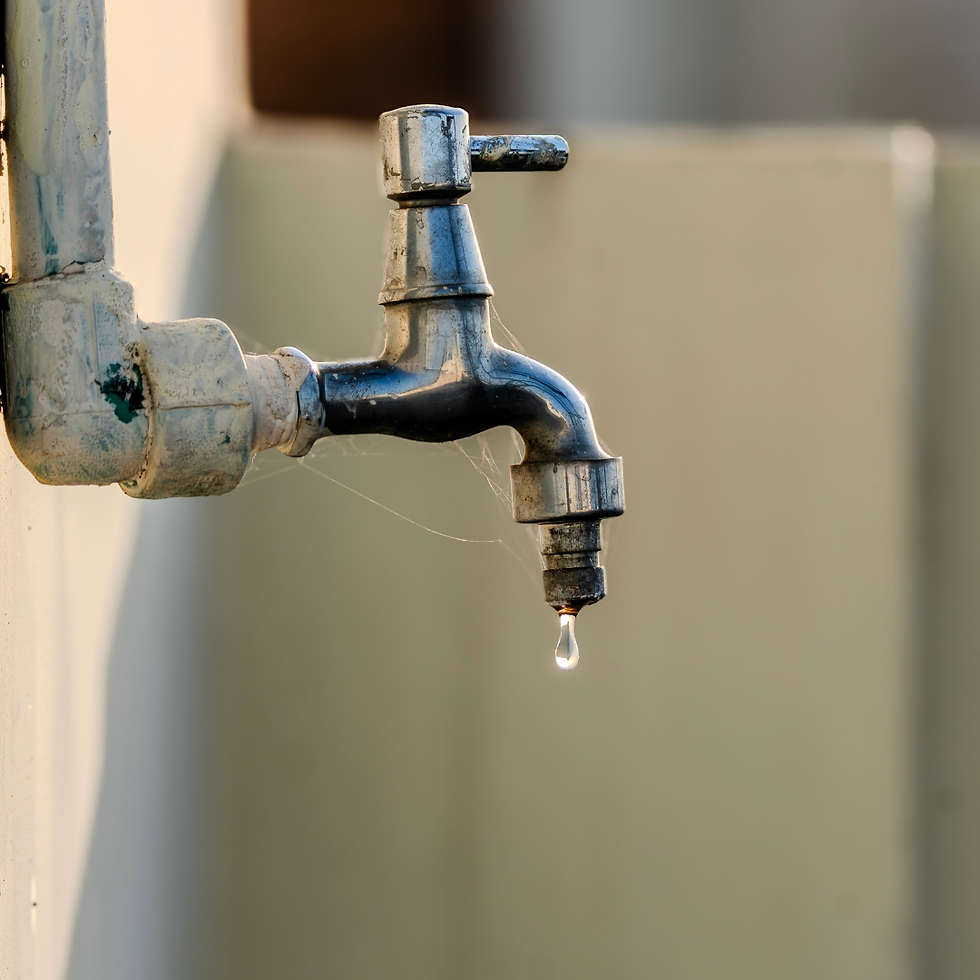
A constantly dripping faucet is more than an annoying sound. It wastes thousands of gallons of water each year and often signals a worn washer, O-ring, or valve seat. It's usually a simple, affordable repair that pays for itself on your water bill.
Don't Let Clogs Linger
Don't wait for a full backup before dealing with a slow drain:
Start with a plunger for simple clogs.
Try a baking soda and vinegar treatment for minor buildup.
Use a drain snake for deeper blockages.
Call a professional if the clog persists or multiple drains back up at once, which can point to a main sewer line problem.
Smart Home Technology for Preventing Plumbing Disasters
Plumbing technology has advanced quickly, and smart devices now give homeowners an extra layer of protection.
Smart Leak Detectors
Smart water leak detectors are small sensors placed near water heaters, washing machines, sinks, and toilets. They monitor for moisture and send real-time alerts to your phone, so you can respond before minor leaks become major water damage.
Smart Water Shutoff Valves
Imagine being on vacation and receiving an alert about a burst pipe. A smart water shutoff valve can automatically cut off your home's water supply when it detects abnormal flow or a leak, limiting damage while you arrange a repair.
Many models also track water usage, helping you spot waste and lower your bills. Many insurers also offer discounts for homes with these devices, so ask about it.
Know Where Your Main Shutoff Valve Is
Technology is great, but every household member should also know where the main water shutoff valve is and how to turn it off by hand. In an emergency, shutting off the water quickly can save thousands of dollars in damage.
Partnering with a Licensed Plumber
Maintenance and preventive habits go a long way, but some situations call for professional help. Building a relationship with a licensed plumber strengthens your defense against plumbing disasters.
Expertise You Can Trust
A licensed plumber has the training, tools, and experience to diagnose problems accurately, from hidden leaks to failing water lines, and to fix them correctly and to code. Professional work also helps you avoid the costly mistakes that come with risky DIY repairs.
24/7 Emergency Plumbing Service
Plumbing emergencies rarely happen during business hours. Having a trusted emergency plumber on call means help is available when a pipe bursts at midnight or a sewer line backs up on a holiday weekend.
Preventative Maintenance Plans
Many plumbing companies offer maintenance plans that include scheduled inspections, drain cleaning, water heater service, and system tune-ups. This proactive approach catches problems early and often costs less than paying for repeated emergency repairs.
Quick Recap: Your Checklist for Preventing Plumbing Disasters
Use this checklist to keep your home protected all year:
Inspect regularly: Check fixtures, pipes, and your water heater for early warning signs.
Clean drains: Use natural cleaners and drain strainers to prevent clogs.
Flush the water heater yearly: Remove sediment to extend its life.
Mind what you flush: Stick to the "three Ps."
Insulate pipes: Protect against freezing and burst pipes.
Monitor water pressure: Install a pressure regulator if needed.
Act swiftly: Fix leaks, drips, and clogs right away.
Use smart technology: Add leak detectors and automatic shutoff valves.
Work with a licensed plumber: Schedule professional maintenance and know who to call in an emergency.
Contact Us Today to Prevent Plumbing Disasters
Taking charge of your plumbing doesn't have to be overwhelming. With a little knowledge and a few consistent habits, you can transform your plumbing from a source of stress into a reliable system that keeps your home comfortable and functional.
If you're ready to take the next step in preventing plumbing disasters, Admiral Plumbing Heating & Cooling is here to help. Our team provides comprehensive plumbing services, from routine inspections and drain cleaning to water heater maintenance and emergency repairs.


Comments